

Wedding in a château hotel: between history and elegance
wedding hotel château
Arriving at the château: a setting that already tells your story
There are places that don’t need staging effects. Passing through the gate, walking along an avenue of plane trees, catching sight of a stone silhouette above a reflecting pool or a formal French garden: everything, in a hotel-château, creates a gentle tension between the intimate and the grandiose. For a couple, the experience begins long before the ceremony. Guests too, from the very first minutes, understand that they are not only coming to a reception, but that they are entering a story.
This story is made of material and time: staircases worn at the center of the steps, weathered woodwork, old ironwork, libraries, orangeries, former stables converted into lounges. The elegance of a hotel-château comes precisely from there: it isn’t added on, it is inherited. And this elegance serves the wedding without stealing it. On the contrary, it gives an emotional structure to the day: a place for waiting, a place for promises, a place for celebration, a place for evening confidences.
Between history and elegance: why a hotel-château enhances a celebration
In a château, history is not a decorative theme: it is a presence. It can be read in the architecture, but also in the organization of the spaces. Enfilade salons invite the successive moments of a wedding day (cocktail, dinner, dancing) with a natural flow. The gardens shape the entrances, the photos, the breathing moments. The inner courtyards create a bubble, far from the road and the world, where you can feel at home even with fifty, a hundred, or two hundred people.
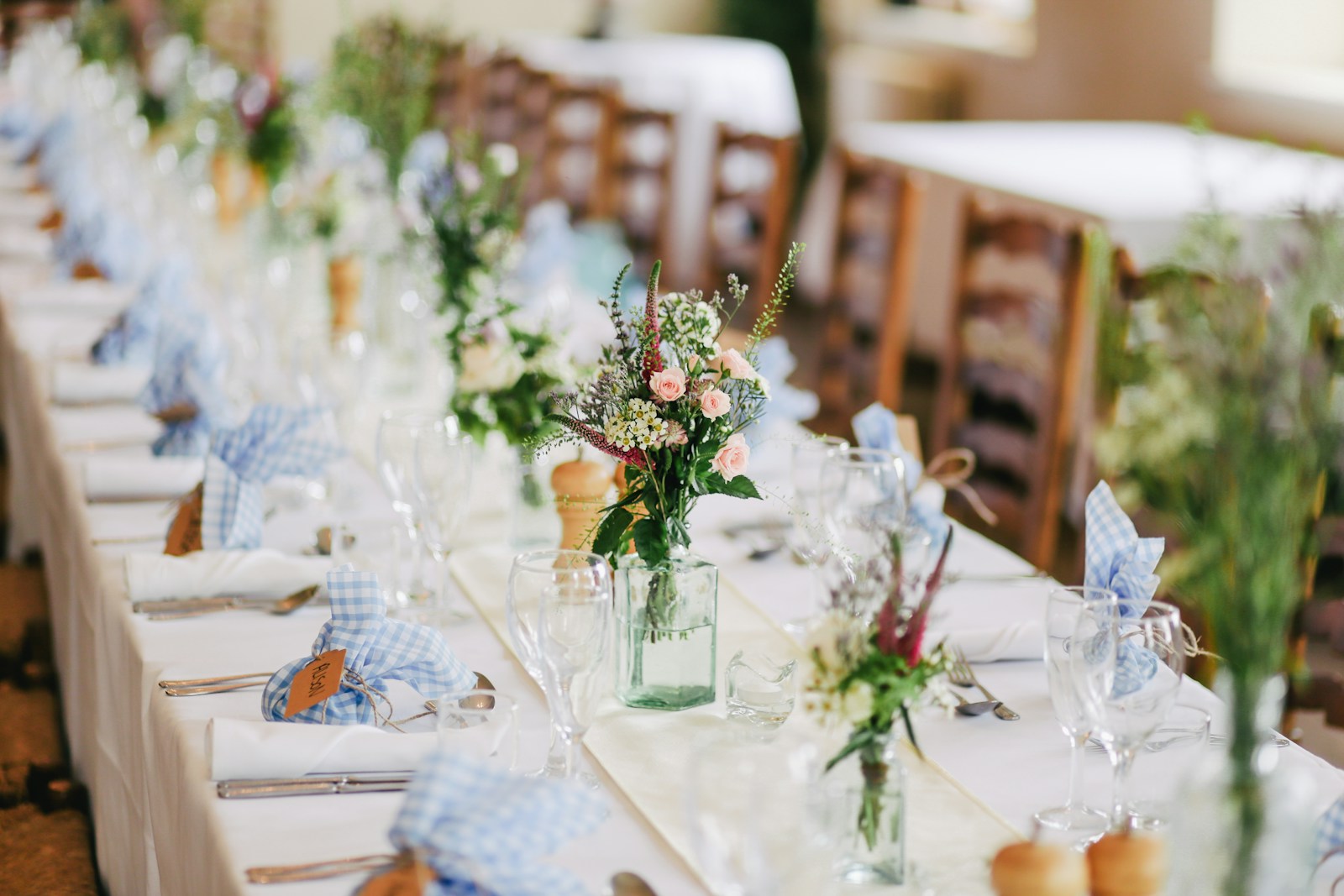
The hotel-château adds a precious advantage: hotel-quality service. Where a privatized château sometimes imposes heavy logistics, a hotel establishment is used to hosting, coordinating, anticipating. Result: more peace of mind, more comfort, and often a more coherent experience for guests, from check-in to the next day’s brunch.
If you want to compare approaches and atmospheres, some inspiring estates show the possible diversity: a wedding in an exceptional château with accommodations illustrates for example the value of a place designed to host over several days, while other addresses highlight hotel charm, gastronomy, or a very distinctive natural setting.
The great advantage: a full weekend rather than an evening
What changes everything, in a hotel-château, is the duration. A single evening forces you to compress the emotion. A weekend, on the other hand, lets you unfold it. You arrive the day before, get together over a drink, and get to know the place. The big day becomes smoother because everyone knows where to go, because the witnesses have had time to breathe, because loved ones run into each other without having to chase one another down. And the next day, brunch extends the conversations, gently closes the parenthesis, without abruptness.
This “family home” logic is particularly valuable when guests come from far away. Rather than scattering everyone across several hotels, on-site accommodations create unity. It reinforces the feeling of a private event, almost secret. It’s also real comfort: no nighttime travel, no shuttles to orchestrate down to the minute, and increased safety.
La Villa Morelia - Best Price Official Site
Spaces that orchestrate the day: ceremony, cocktail, dinner, dancing
A hotel-château works like a musical score. Each space has a role, an acoustics, a light. The art lies in choosing places that are coherent with your style, your number of guests, and the desired pace.
Ceremony: emotion framed by architecture
In the gardens, an alley naturally becomes an entrance path. In a courtyard, the facades serve as a backdrop without overload. In an adjoining chapel or a large hall, the stone and the high ceilings create immediate solemnity. The key advice: think about light (orientation, shade, time), sound (echo, wind), and visibility (last row, layout).
Cocktail: the transition that sets the tone
A cocktail’s success depends on movement. Terraces, lawns, a covered gallery, an orangery: ideally, it’s a space that lets people circulate without feeling stuck. Hotel-châteaux are often very strong on this point, because they offer multiple zones. A fountain, an outdoor staircase, a view over the park: so many angles that make conversations lively and photos spontaneous.
Dinner: the moment when elegance becomes tangible
A reception room in a château can be spectacular, but elegance isn’t necessarily synonymous with monumental scale. A lower-ceilinged room with wood paneling can create a warmer atmosphere. Conversely, a large hall with imposing chandeliers brings a festive momentum. The best choice depends on your project: a very gastronomic dinner in a small group, a convivial banquet, classic round tables, a long communal table, etc.
Dancing evening: keeping the energy without losing comfort
Dancing should be conceived as a space of its own. Ideally, a room adjacent to the dinner or a dedicated room, to avoid a total move. Also pay attention to acoustics and neighborhood constraints: some venues, very historic ones, require controlled sound volume. A hotel-château used to events will know how to offer solutions (room orientation, schedules, vestibules, layouts).
On-site accommodations: the discreet luxury that changes everything
Sleeping at the château or in its outbuildings transforms the experience. Guests live the place from the inside: silent corridors in the early morning, breakfast under a glass canopy, park views, rooms all different. For the couple, it’s also a chance to breathe: no rushed departure, no return logistics, just the right to stay.
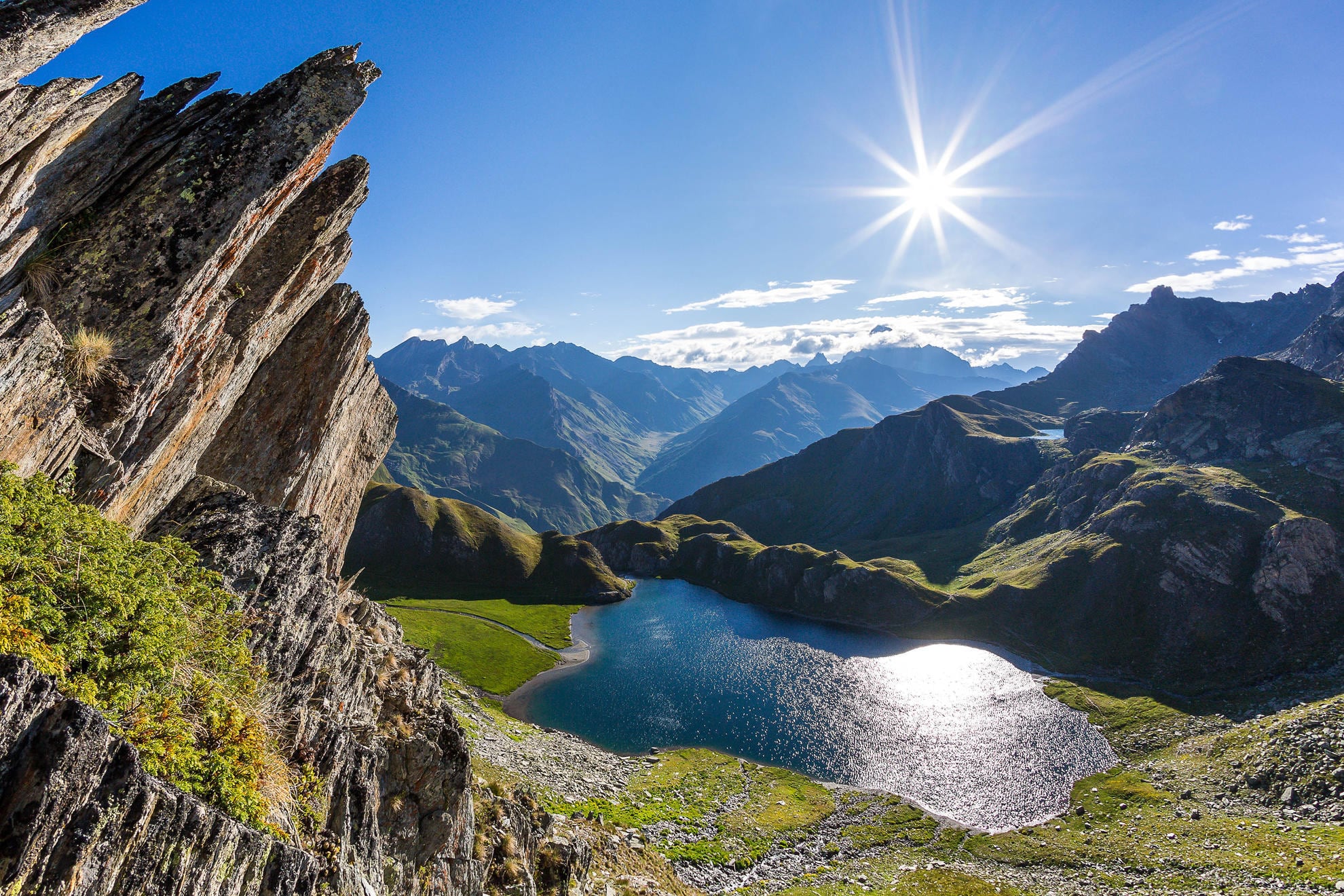
On a practical level, accommodation simplifies coordination: vendor setup, storage, last-minute touch-ups, managing children. On an emotional level, it offers continuity. The highlights don’t stop at midnight; they settle in gently, along the corridors and through the last exchanges.
Gastronomy and the art of hosting: when the hotelier becomes a conductor
Choosing a hotel-château often means choosing a level of hospitality close to luxury hotels: attentive service, well-managed timing, an eye for detail. That doesn’t mean a rigid wedding; on the contrary, that control allows freedom. When the basics are solid, you can allow yourself ideas: a wine bar, a carving station, a gourmet brunch, food-and-drink pairings, a shorter meal to start dancing earlier, or a longer dinner in the style of a grand house.
Gastronomy is also a way to anchor the wedding in a local terroir. A château in Provence won’t have the same codes as an estate in Bordeaux country or a residence north of Paris. And that’s a good thing: elegance becomes distinctive, embodied by flavors, textures, a season.
Elegance without overload: décor, flowers, and lighting
In a place with a strong historical character, the décor shouldn’t compete, but converse. A common mistake is to do too much : too many colors, too many structures, too much signage. A château already has its lines, its perspectives, its nobility. The goal is to highlight, not to hide.
A few simple principles almost always work:
1) Choose a limited palette (two or three colors) that respects the existing stone, wood, and fabrics.
2) Favor natural materials (linen, ceramics, glass, brass) rather than overly artificial décors.
3) Bet on light: candles, very fine string lights, soft floodlights on the façade, lanterns. Lighting design transforms the atmosphere without cluttering the space.
4) Work on the focal points : entrance, ceremony, head table, bar, photo corner, staircase. No need to fill everything.
Photography: leveraging the heritage without freezing emotions
A hotel-château offers naturally cinematic backdrops: façades, staircases, gallery, reflecting pool, centuries-old trees, salons. The temptation is to multiply posed photos. Yet the most powerful images are often born in transitions: a laugh under a vault, a hand on a railing, a stolen glance in a corridor, an exit onto the front steps.
La Villa Morelia - Best Price Official Site
To get the most out of the venue, plan two windows: a short session in soft light (late afternoon) and a few minutes at night, with the illuminated façade. That’s often enough to create a varied series, between grandeur and intimacy, without being away from your guests for too long.
Seasons and atmospheres: every château has its peak
Spring highlights gardens, blooms, outdoor ceremonies. Summer offers long evenings and drawn-out cocktails, but requires thinking about shade, water, and heat in the reception rooms. Autumn elevates colors, parks, deeper materials, and lends itself wonderfully to warm dinners. Winter, finally, is the champion of intimacy: fireplaces, candles, big coats, dramatic photos, an almost novel-like atmosphere.
Some château-hotels stand out for a very strong identity. To inspire you, you can discover different styles, for example the Château d’Ermenonville · Charming Hotel Oise, or even addresses that highlight a more southern, wine-growing or Provençal approach such as Château Camiac – Luxury and Weddings in … and Château Martinay | Château Hotel at the foot of Mont Ventoux. Each illustrates a different way of combining heritage, hotel service, and landscape.
Logistics: the real key to a smooth and elegant wedding
Elegance isn’t just about the beauty of a place; it’s felt in the flow. A château-hotel often allows for clearer organization, but certain questions must be decided early:
Real capacity : number of seated guests, dance floor, plan B in case of rain, kids’ areas.
Access : parking, shuttles, discreet signage, accessibility for people with reduced mobility (a sometimes delicate point in old buildings).
Hours and disturbances : music end time, permitted zones, any fireworks, local constraints.
Vendor coordination : florist, DJ, photographer, videographer, officiant, wedding planner. An on-site point of contact is a huge asset.
Weather : tents, parasols, heaters, flooring, umbrellas, and above all an alternative schedule as beautiful as plan A.
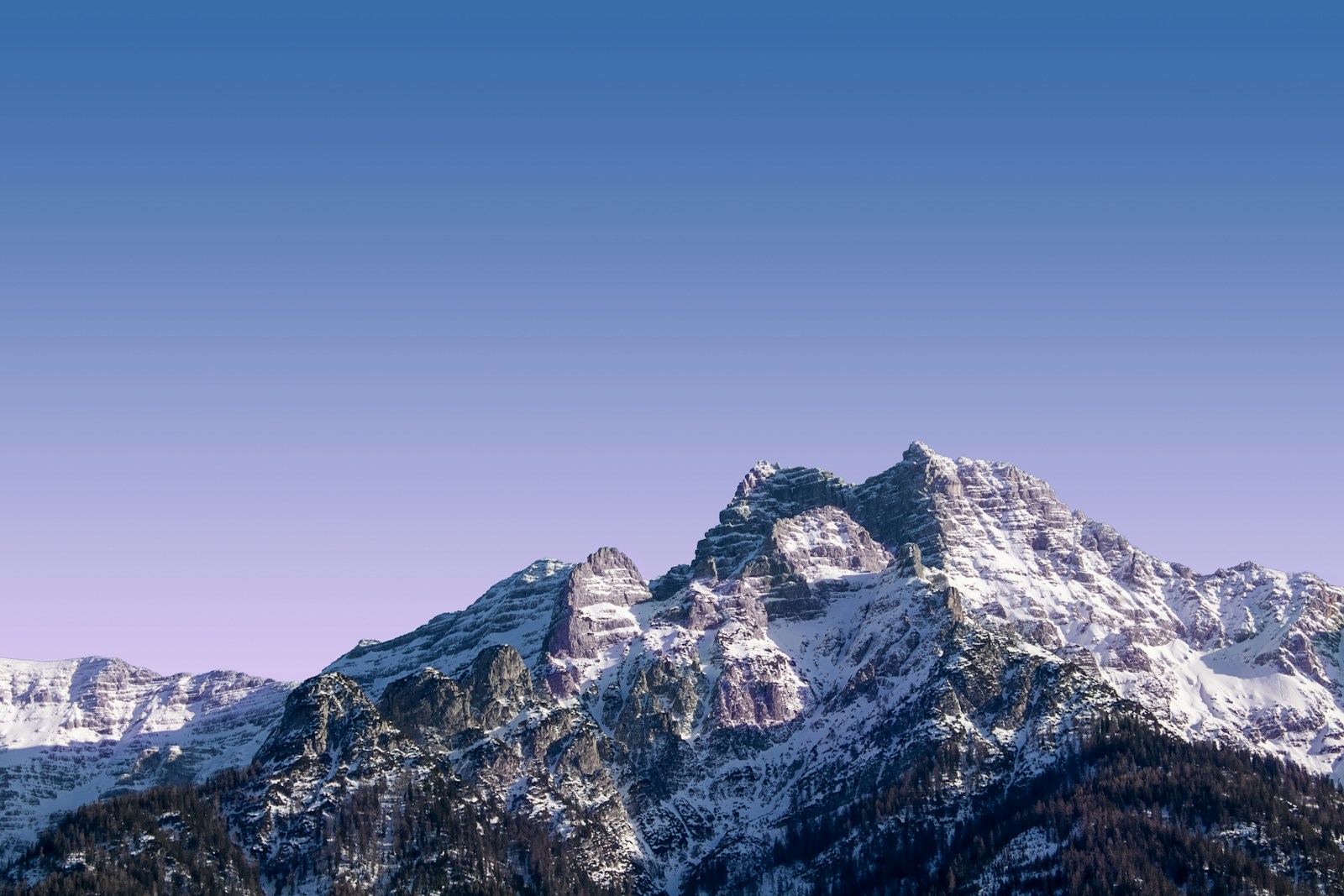
The more you secure the logistics, the more emotion can flow. The bride and groom shouldn’t have to manage. They should live.
The guest experience: comfort, attention, and a sense of privilege
A wedding in a castle-hotel leaves a lasting impression because everyone feels invited to something exceptional, without necessarily being able to explain why. Often, it’s the little things: a welcome in the room, a cold drink on arrival, spaces to catch your breath, a small lounge for older guests, a garden for children, service that anticipates without imposing.
The sense of privilege also comes from the relationship to time: being able to stroll early in the morning through a park that is usually inaccessible, have coffee in a quiet courtyard, run into the newlyweds at the turn of a staircase. It’s a rare closeness, made possible by living in the place, even briefly.
When intimacy meets heritage: celebrating on a human scale
A castle doesn’t necessarily mean a big wedding. Many couples today choose more intimate formats: fifty guests, sometimes fewer. In that case, heritage becomes a jewel box. You can favor a gourmet dinner, longer speaking moments, a highly personalized ceremony, an evening where every guest truly counts.
For a more intimate approach, a useful read can be a celebration on a human scale in a mountain setting, which shows how elegance can be deeply intimate, even in a strong heritage setting.
Creating a narrative thread: music, rituals, and meaningful details
The charm of a castle-hotel is already there; yours is built through coherence. A narrative thread is not a “theme” in the decorative sense, but an intention: an emotional tone, a way of hosting, a series of details that tell your story as a couple.
A few ideas that work particularly well in this type of venue:
A gradual entrance : live string music at cocktail hour, then a more upbeat band, then a DJ.
Simple rituals : vows, exchanging letters, a secular blessing, a family tribute, without overloading the ceremony.
Useful details : a clear seating plan, edible guest favors, a well-thought-out kids’ corner, a basket of blankets if the evening turns cool.
A signature moment : sabrage, flambéed dessert, bringing in the cake on a staircase, last dance in the courtyard.
La Villa Morelia - Best Price Official Site
Choosing the right venue: decisive criteria (and questions to ask)
Beyond the crush, a few criteria make all the difference:
1) Your priority : gastronomy, park, accommodations, accessibility, privacy, historic ambiance, view.
2) The coherence of the spaces : ceremony, cocktail, dinner, evening, rain plan B, brunch.
3) The level of service : who coordinates? which teams? what flexibility? what constraints?
4) The overall budget : privatization, rooms, catering, technical (sound/lighting), furniture, security, flowers.
5) The on-site experience : feeling during the visit, flow, acoustics, light, condition of the rooms.
A château can be sublime and yet unsuitable for your format. Conversely, a place that looks less spectacular in photos can be perfect to experience, and that’s what matters.
Extend the enchantment: from the wedding to the stay
More and more couples are turning the event into a travel interlude: a taste of the honeymoon, or an extended weekend. This logic works particularly well when the venue is surrounded by nature, villages, paths, seasonal experiences. After the intensity of the big day, a gentle walk, a quiet lunch, an exploration of the surroundings allow you to come back down gracefully.
If the idea of combining celebration and the great outdoors speaks to you, you can read a getaway between nature and refinement, then imagine, around the same spirit, simple activities to offer your guests: a walk the day before, local discovery, a late brunch, or a stroll the next day.
Escape the cliché: the modern, lively château, in your image
We sometimes associate the château with a form of rigidity: protocol, distance, fixed codes. In reality, the contemporary hotel-château knows how to be lively. You can have a very chic dinner and a wild party. You can wear a minimalist dress rather than a princess dress. You can choose wildflowers, modern stationery, a secular ceremony on a terrace, or a brunch in the form of large convivial tables.
The secret is to let the heritage play its role — to add depth — while keeping your modernity — to keep it real. When the balance is achieved, elegance is felt effortlessly, and history becomes the discreet setting for a deeply personal moment.
Final tips for a serene elegance
1) Visit the venue at the time you want to get married: the light changes everything.
2) Demand a plan B as beautiful as plan A: it’s the condition for your peace of mind.
3) Keep decoration to a minimum and invest in quality (lighting, flowers, textiles) rather than quantity.
4) Think through the guest journey: where do people arrive, where do they put a coat, where do they find water, where do they take a breather?
5) Give yourself time: the day before and the day after are often the sweetest moments.
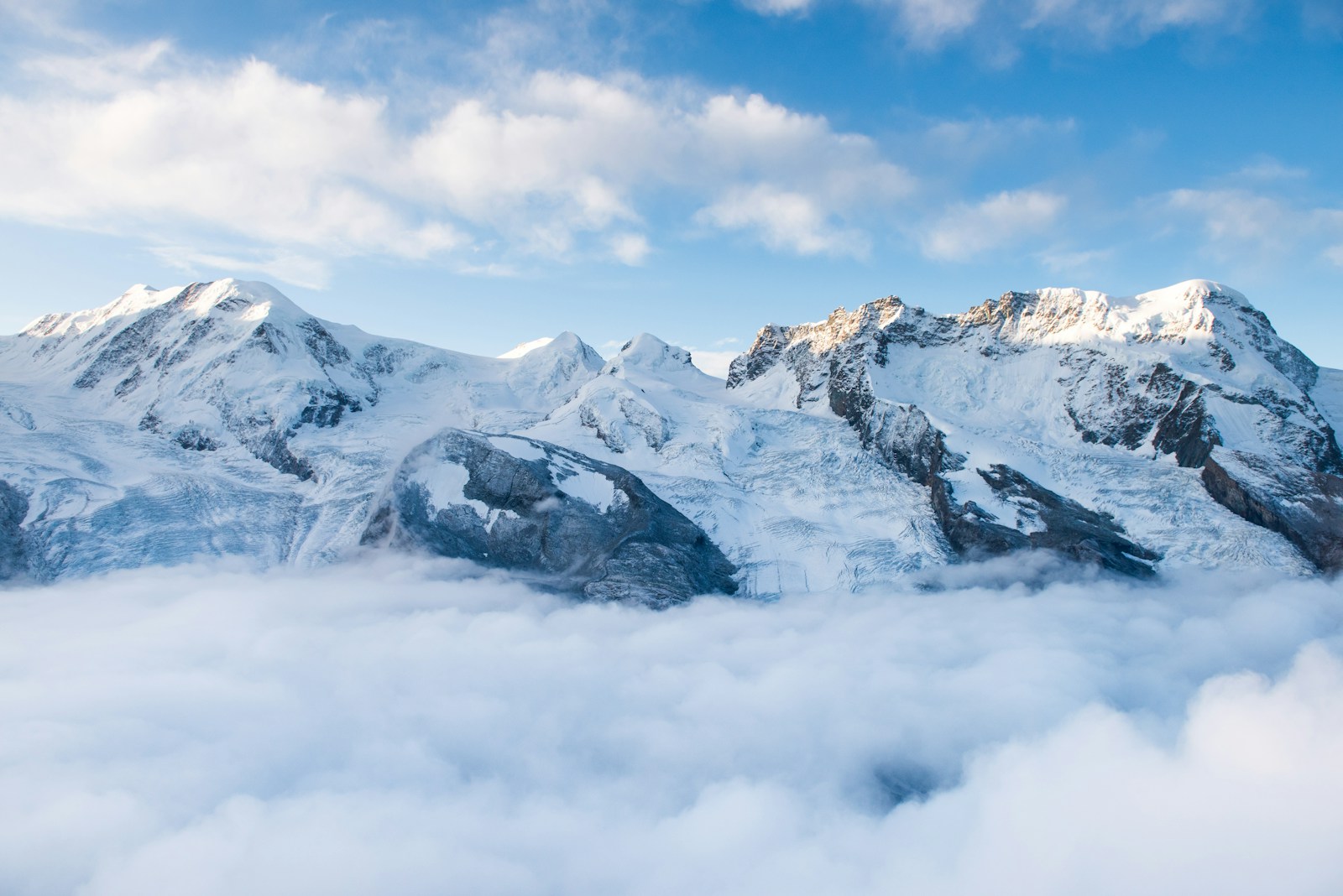
Looking for an exceptional setting to celebrate in style?
If you’re looking for an address where the art of entertaining meets the charm of a characterful residence, you can check current availability and offers and imagine a celebration where the venue fully contributes to the emotion, combining hotel comfort, refinement, and a unique atmosphere.


Villa Morelia Hotel**** 9 avenue des Mexicains 04500 Jausiers France tel +33 (0)492846778 inforesa@villa-morelia.com