

Discover the Ubaye valley through its iconic trails
ubaye hikes: the valley tells itself better on foot than from above. Here, each trail is a ridgeline between two worlds: the Provençal influence rising with the light, and the Alpine harshness holding firm in the combes. To discover the Ubaye, it is often enough to go one step after another: from high-altitude lakes to alpine pastures, from perched forts to discreet hamlets, from fragrant larch forests to mineral scree. The aim of this itinerary-guide is not to draw up an exhaustive list, but to take you along emblematic trails, those that sum up the character of the Barcelonnette country: grand, contrasting, lively, and always a little secret.
Taking the measure of the valley, from the first switchbacks
The first challenge, in Ubaye, is not to add up kilometers: it is to learn to read the relief. A single day can take you from shaded banks near the torrent to open slopes where the wind clears the horizon. Before choosing a route, spot the main gateways: Barcelonnette and its surroundings, the climb toward the Col de la Cayolle, the roads stretching toward Larche and Italy, or the accesses to Lake Serre-Ponçon downstream. To get inspired and locate the atmospheres (between waters, summits, and villages), you can browse a territory between lake and mountains, useful for understanding the major ensembles before lacing up your boots.
At trail scale, the valley is a game of contrasts: dry, bright slopes on one side, cool forests on the other; large suspended glacial valleys, then flats where you still encounter barns and herds; very open viewpoints, then narrow passages where the Ubaye roars. This diversity explains why emblematic routes cannot be reduced to a single type of walk: there is easy contemplation, sporty hiking, family loops, and committed traverses.
Around Barcelonnette: panoramic trails, villages and light forests
If you want to enter the Ubaye without brutalizing your calves, the Barcelonnette area is an excellent launch ramp. Routes alternate between accessible lookouts, balcony paths, and underwood crossings where the larches filter the light. There is also a strong heritage dimension: hamlets, chapels, old stone walls, not to mention the distinctive architecture of certain villas.
For ideas of easy, varied routes suitable for everyone, the selection Panoramic walks around Barcelonnette accessible to all gives concrete leads to put together short but memorable outings, ideal at the start of a stay or during a calmer day.
The right rhythm: aim for gradual altitude gain
In this sector, the best strategy often consists of climbing progressively: a first warm-up outing on a panoramic loop, then a second a bit longer that brings you above the forests, into the alpine pastures. This progression also helps manage altitude: even without aiming for summits, you quickly exceed levels where the effort is felt, especially in hot weather or early in the season.
La Villa Morelia - Best Price Official Site
High-altitude lakes: the Ubaye in mirror mode
Lakes are perfect objectives: they give a clear destination, a natural rhythm (ascent, pause, return), and an immediate reward. In Ubaye, high-altitude lakes are not only pretty: they tell of ancient glaciers, rocky thresholds, water gathering in mineral basins. Depending on the chosen route, you will walk through high meadows or on stonier paths, sometimes dotted with late snowfields.
The big advice: set out early. The Ubaye is beautiful in the sun, but beauty comes with rules: the weather changes quickly, heat storms can form in the afternoon, and crowds increase at the most famous sites. An early arrival at the water’s edge, when the surface is smooth and the silence settles in, often makes all the difference.
Reading the terrain: from alpine pasture to mineral
On these routes, observe the transition: first the alpine pasture (short grass, flowers, herd traces), then the mineral world (blocks, scree, striated rocks). Emblematic trails are often recognized by this shift in scenery. Adapt your equipment: poles useful on unstable ground, a windbreaker even in fine weather, and a sufficient water reserve because some valleys are deceptively damp without offering a safe refill point.
Fortifications, passes and divides: walking in history
The Ubaye is not only a natural terrain: it is also a passage corridor, therefore a defended territory. Several routes allow you to reach forts or follow ridgelines overlooking the valley. Walking toward these structures is to feel the strategic scale of the places: you suddenly understand why such a lock controls an access, why such a ridge opens a view to neighboring valleys, and how the mountain served as much as refuge as border.
These hikes often offer regular slopes at the start, then more wind-exposed sections at higher elevations. The reward lies as much in the immensity of the landscape as in the feeling of arriving at an observation post. Be prepared for a cooler atmosphere, even in midsummer, and remember that fatigue sets in more quickly when you walk long in open terrain.
The great wild valleys: the intimate Ubaye, far from the roads
Some emblematic trails do not lead to an instagrammable spot; rather, they lead you into a valley and then keep you there, as if the valley were inviting you to slow down. This is where the Ubaye becomes intimate: the murmur of a torrent, the scent of resin, crossings on footbridges, clearings where you sometimes catch sight of marmots and chamois. In these areas, the pleasure comes from continuous immersion more than from a summit.
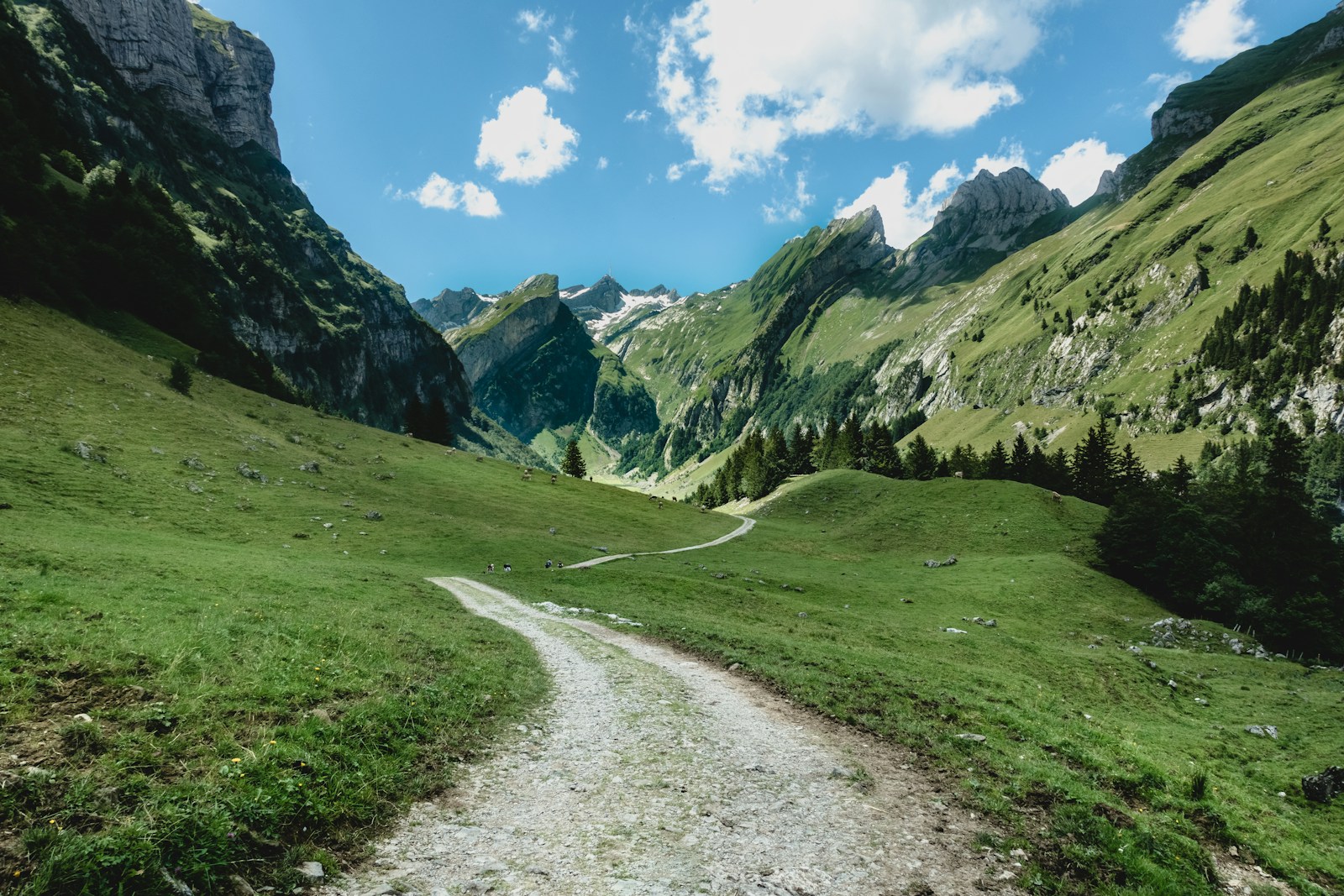
To prepare this type of outing, it is better to rely on solid descriptions, with variations and difficulty levels. The directory Hikes and walks in the Ubaye Valley makes it possible to compare itinerary styles and find a loop consistent with your condition and the day’s weather.
Golden rules in an isolated valley
In a remote valley, three points matter: self-sufficiency, orientation, time buffer. Even if the trail is marked, a ravined section, a snowfield, or a misread fork can lengthen the outing. Bring a warm layer, a headlamp, and a map or a reliable track. And if you feel the day is filling with clouds, it is better to turn back early than to try anyway deep in a valley where turning back is costly.
Crossings and signature itineraries: when walking becomes a journey
The Ubaye is well suited to multi-stage itineraries: a succession of passes, valleys, and villages, with nights in a refuge or accommodation in the valley. This format changes everything: you stop doing a hike, you start traveling on foot. The days answer one another, the landscapes follow on, and you become aware of the real geography: distances, slopes, exposure of the hillsides, the necessary slowness.
To select a suitable itinerary (duration, access, starting points, elevation gains), the page Hiking itineraries in the Ubaye Valley is particularly relevant, because it helps identify structured routes, often designed to give a narrative thread to the stay.
Organizing a mini-epic (2 to 4 days) without overloading yourself
A successful crossing hinges on simplicity: a pack that is not too heavy, realistic stages, and fallback options. Aim for days where you keep time for breaks and the unexpected. Also think about transfers: some starts or finishes require a shuttle, coordination between vehicles, or use of local transport in season. Finally, check on refuge openings and the presence of herds (patous): good behavior is anticipated as much as it is improvised.
Maps, levels and safety: choosing the right trail at the right time
La Villa Morelia - Best Price Official Site
Emblematic trails are appealing, but the real pleasure comes from a well-adjusted choice: to the group’s level, to the season, and to the conditions. At the start of summer, some high-altitude itineraries retain snowfields and require more attention. In midsummer, the heat can make a climb without shade unpleasant. In autumn, the days shorten but the light is exceptional. Adapting means gaining comfort and safety.
If you are looking for a concise resource to orient yourself (maps, areas, itinerary ideas), Ubaye Valley: the complete guide offers a good point of support for understanding the whole and refining your selection.
A simple checklist before setting out
Weather (morning and afternoon), realistic travel time, water, warm layer, rain/sun protection, and a shorter plan B. In Ubaye, the classic mistake is to underestimate the cumulative elevation gain: a not-so-long trail can be very demanding if the slope is continuous. And on rocky ground, ankles work harder: good shoes and a steady pace are better than a race to the summit.
When the valley reveals itself off the trails too
Every hiking stay benefits from breathing. Inserting a gentler day allows you to recover, but also to see Ubaye differently: water points, gorges, river activities, local visits. This helps keep energy for the big routes and avoid the buildup of fatigue, especially if you string together several days of effort.
For ideas of must-sees and a broader view of possible activities around the valley and Barcelonnette, the selection Ubaye Valley and Barcelonnette – Crazy Water Rafting complements the hiking section well with inspiration geared toward overall discovery.
Where to set down your bags: radiate on the trails without complicating logistics
To enjoy the emblematic trails without multiplying lodging changes, the ideal is often to choose a central base, then fan out: a lakes outing one day, a panoramic loop the next, a wild valley afterward, and possibly a two-day mini-crossing. This organization limits driving time morning and evening, and leaves you leeway to start early.
If you are considering comfortable accommodation to recover after the hikes and easily organize your departures, you can consult Stay in a charming hotel in the heart of the Southern Alps, an interesting option for combining nature outings and rest breaks.
Build your own collection of emblematic trails
There isn’t a single best route: there is the one that fits, for your moment, your weather, your desire. The emblematic trails of Ubaye can form a very natural progression: start with panoramas around Barcelonnette, then reach the high-altitude lakes, try a hike toward a fort or a pass, then treat yourself to a day in a wild valley. In the end, you will have more than a landscape panorama: a sensitive reading of the valley, its transitions, and what it asks of the walker — attention, patience, and a certain taste for space.
And if you want to close the stay on a simple note: a last short loop at daybreak, a viewpoint above the valley, then a quiet return. In Ubaye, it is often these little walks that fix the memories, because you walk light, your mind already full.
To easily book your ideal starting point and organize your days on the trails, here is direct access to La Villa Morelia - Best Price Official Site.


Villa Morelia Hotel**** 9 avenue des Mexicains 04500 Jausiers France tel +33 (0)492846778 inforesa@villa-morelia.com