

Scenic walks around Barcelonnette to admire the landscapes
panoramic walks barcelonnette
Gain altitude from the first steps: the spirit of routes around Barcelonnette
In Barcelonnette, the panorama is not a reward reserved for seasoned hikers: it slips into the bends of a larch path, opens at the corner of a hamlet, or appears after only a few switchbacks. The Ubaye valley has that rare talent for offering large-scale views without systematically requiring days of effort. You can put together short loops, gradual ascents, or more ambitious crossings, while keeping one constant: the very clear alpine light that slices the ridges and reveals shades of green, gray, and ochre.
To admire the landscapes without enduring crowds or fatigue, the trick is to pick a time and an aspect: morning for the slopes that light up quickly, late afternoon for relief that takes on depth and long shadows. And above all, accept slowing down. Here, the beauty lies as much in the final viewpoint as in the transitions: a clearing, a stream, a bridge, an old barn. The best panoramic walks are often those that give the eye time.
Easy balconies and nearby viewpoints: enjoy without exhausting yourself
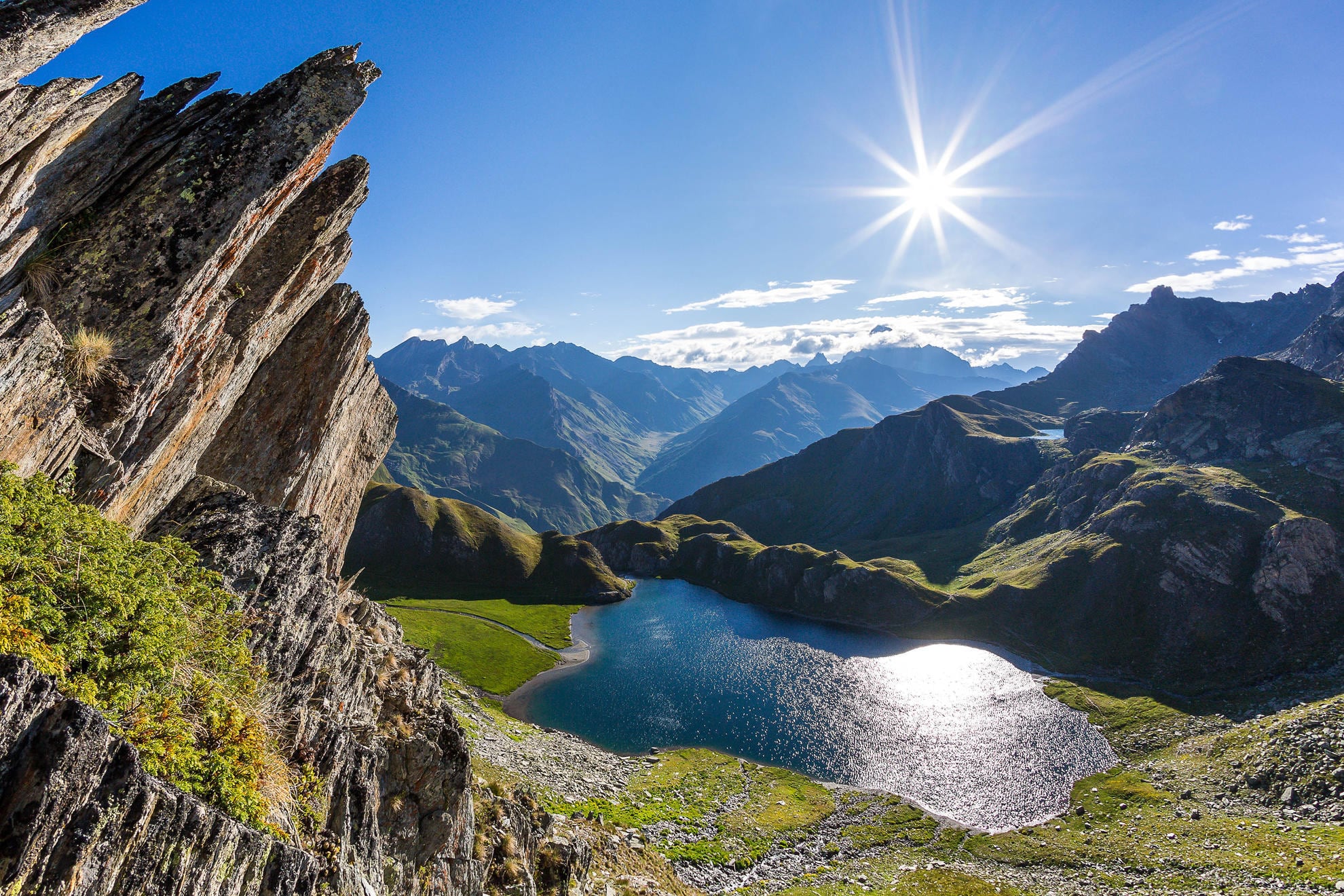
If you’re looking for an accessible outing with a real "wow" effect, favor the so-called balcony routes. The principle: stay on the mountainside, on a trail that crosses regular slopes. You gain just enough altitude to see the valley stretch out, without chaining steep elevation gains. These walks are ideal for families, for a half-day, or as a warm-up before a more athletic hike.
Around Barcelonnette, several developed promenades already allow you to get out of the center and find open perspectives. edge paths, small parks and health walks are perfect for a first approach, especially if you arrive late in the day and just want to get some fresh air. To locate these gentle, well-marked routes, you can consult the parks and promenadesa good basis for choosing a short loop without surprises.
Practical tip: aim for the "right angle" rather than performance
A panorama often depends on framing. To photograph the valley, a slight shift on a promontory can be enough to reveal a village, a river, or a ridgeline. Make it a habit, at every opening, to walk two more minutes: very often the view changes, and the composition becomes clearer.
Larch forests and clearings: the panorama in contemplative mode
The visual signature of the Ubaye also includes its larch forests. Their color changes radically with the season: tender green in spring, deep green in summer, blazing gold in autumn, graphic silhouettes in winter. On trails that alternate between undergrowth and clearings, the panorama is not always frontal; it is revealed in fragments, like a series of windows onto the peaks.
These routes are particularly pleasant when the sun is high and shaded areas become precious. Walking is more regular, the ground often soft, and breaks naturally occur at the edge of a meadow. To prepare this type of outing, it is useful to browse a selection of varied options in hikes and walks in the Ubaye Valley : you will find enough to adjust your choice according to the duration and mood of the moment.
La Villa Morelia - Best Price Official Site
Ridges, passes and viewpoints: when the scenery becomes spectacular
If you like open horizons and ridgelines, you are in the right place. The passes and viewpoints around Barcelonnette offer views that convey the scale of the space: hanging valleys, clear cliffs, tiered summits. The sensation of altitude does not come only from the number on the altimeter, but from the fact that the eye can travel far, unobstructed, to reliefs that overlap in successive layers.
To reach this type of panorama, the progression is often more assertive, but the reward comes in stages: a first viewpoint over the valley, then a second higher up revealing another slope, then a ridge that tips the gaze toward a new basin. Ideally, set out early, bring a windproof layer (even in summer), and treat the ridge as a place for an extended pause: people go there as much to observe as to validate a summit.
Read the terrain: wind, clouds, and light
On the ridges, the wind can quickly change the mood. A cloud veil softens the colors and reduces harsh contrasts, while a clear sky accentuates the relief. If the clouds are moving fast, wait a few minutes: the gaps of light on the slopes create unique tableaux. In those moments, the panoramic walk becomes almost a session of active contemplation.
Panoramas along the water: torrents, banks and discreet waterfalls
The landscapes around Barcelonnette are not limited to the heights. The paths that run along the water offer another kind of panorama: more intimate, but just as photogenic. The torrent structures the valley, and the banks reveal perspectives toward the peaks, framed by vegetation. You walk to the rhythm of the water’s sound, and breaks are easy to arrange: a flat rock, a gravel beach, a calmer shore.
These are perfect routes when the heat is felt, or when you’re looking for a restorative outing after a more athletic day. The eye rests more on the details: reflections, mosses, pebbles, trunks. And then, regularly, a gap in the vegetation reopens the scene onto the mountains, as a reminder that the high country is never far.
Panoramic walks and heritage: hamlets, chapels, traces of history
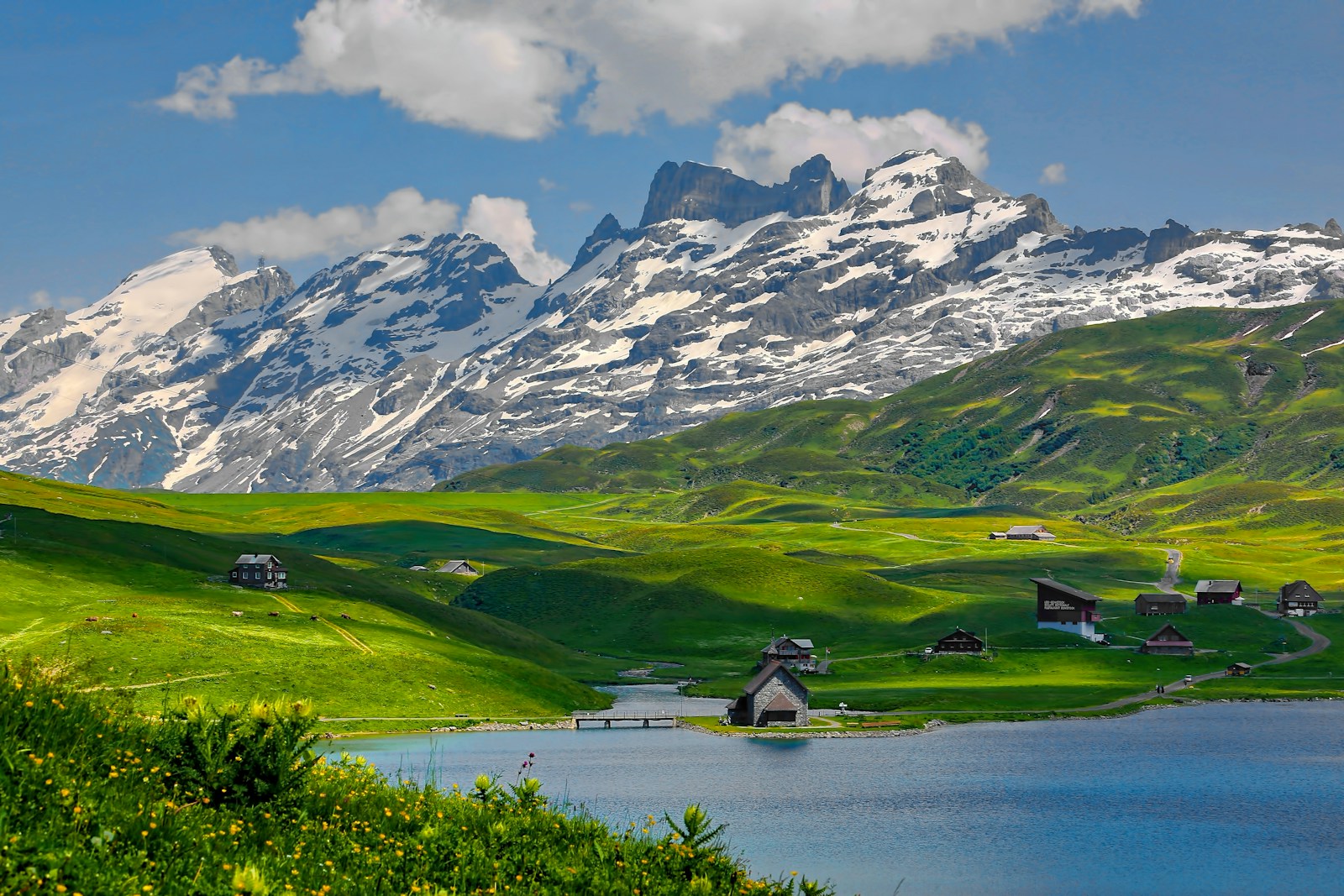
One of the great strengths of the area is the way the landscapes converse with the heritage. A path that climbs toward a hamlet does more than offer a view: it also tells of a way of inhabiting the slope, of using the summer pastures, of linking villages. Isolated chapels, dry stone walls, barns, ancient passages give depth to the setting. The panorama thus becomes more than an image: an inhabited scene, shaped by generations.
For those who like to combine inspiration and practical information, a useful resource to complement your scouting is the comprehensive guide to the Ubaye Valley. It can help to better understand the areas, the atmospheres and the points of interest, in order to build a coherent program over several days.
Composing a panorama day: pace, breaks, and route strategy
A successful day around Barcelonnette often comes down to how you string moments together. To maximize the scenery without turning the outing into a sporting challenge, think in three phases: gradual ascent, balcony section, then varied descent. The climb can be in the shade (forest, ravine), the balcony in the sun (meadow, gentle ridge), and the descent on another slope to change the view.
Breaks matter as much as kilometers. A good resting spot is a place where you can see far but are sheltered from the wind; where you can sit without trampling a fragile area; and where you don’t have to speak loudly to drown out the noise of the world. Bring things to prolong these moments: a hot drink if the weather is uncertain, a simple snack, and an extra layer to stay still without getting cold.
Gentle option: two short outings rather than one long one
If you’re traveling as a couple, with family, or want to save time for a terrace in Barcelonnette, the two-walk approach is excellent: a morning loop for low-angle light, then another in late afternoon for the shadows on the relief. Between the two, rest, visit the town center, or take a simple nap: the panorama is also to be savored when you’re not in a hurry.
La Villa Morelia - Best Price Official Site
Choose by season: four moods, four ways to admire
In springIn spring, the water is often livelier, the meadows wake up, and the peaks sometimes still hold snow patches. The panoramas play on the contrast between the already green lowlands and the still-wintery heights. It’s the season of clear light and quick changes.
In summerIn summer, favor early starts and routes alternating shade and openings. The ridges are splendid, but sun exposure can be strong. The panorama is crisper, with often clear skies.
In autumn, the larches turn the valley to gold. Forested balconies are magical, and viewpoints gain depth thanks to lower light. It’s an ideal time for long walks without the heat.In winter, if conditions allow, the panoramas transform: silhouettes, contrasts, a hushed atmosphere. Choose routes that are suitable (and safe), check snow conditions, and favor shorter but highly visual outings.
In winter, if conditions allow, the panoramas transform: silhouettes, contrasts, a hushed atmosphere. Choose suitable (and safe) routes, check snow conditions, and favor shorter but very scenic outings.
Plan your routes: inspirations, difficulty levels, and variant ideas
To avoid unpleasant surprises, take time to identify three elements before you set off: elevation gain (more informative than distance), exposure (facing south or on a shaded slope), and escape options (possibility to shorten the route). Maps and descriptions help, but on-the-ground experience matters: a steady climb can be easier than a short steep pitch, and a wide path can be more pleasant if you walk at a relaxed pace.
If you’re looking for a curated selection of ideas, with varied proposals around the city, you can draw inspiration from these best hikes and walks. The point is to compare several options and choose the one that matches your energy that day, rather than aiming too high and ending up rushed.
The little details that turn a walk into a panoramic experience
A panorama is sometimes earned through attention to detail. Consider bringing binoculars: they change everything, as they let you read the landscape, spot a high-elevation trail in the distance, a clinging hamlet, or animals on a slope. A simple notebook can also enrich the outing: note a viewpoint, a light timing, a particularly beautiful stretch… and you’ll have your own guide over time.
For comfort, poles are a real asset on descents, especially if you do several outings during your stay. And for photos, a simple rule: take a wide shot that tells the space, then a tight shot of a detail (a tree, a ridge, a bend in a stream). Together, they recreate the experienced feeling.
Extend the escape: stay in a place that makes you want to walk
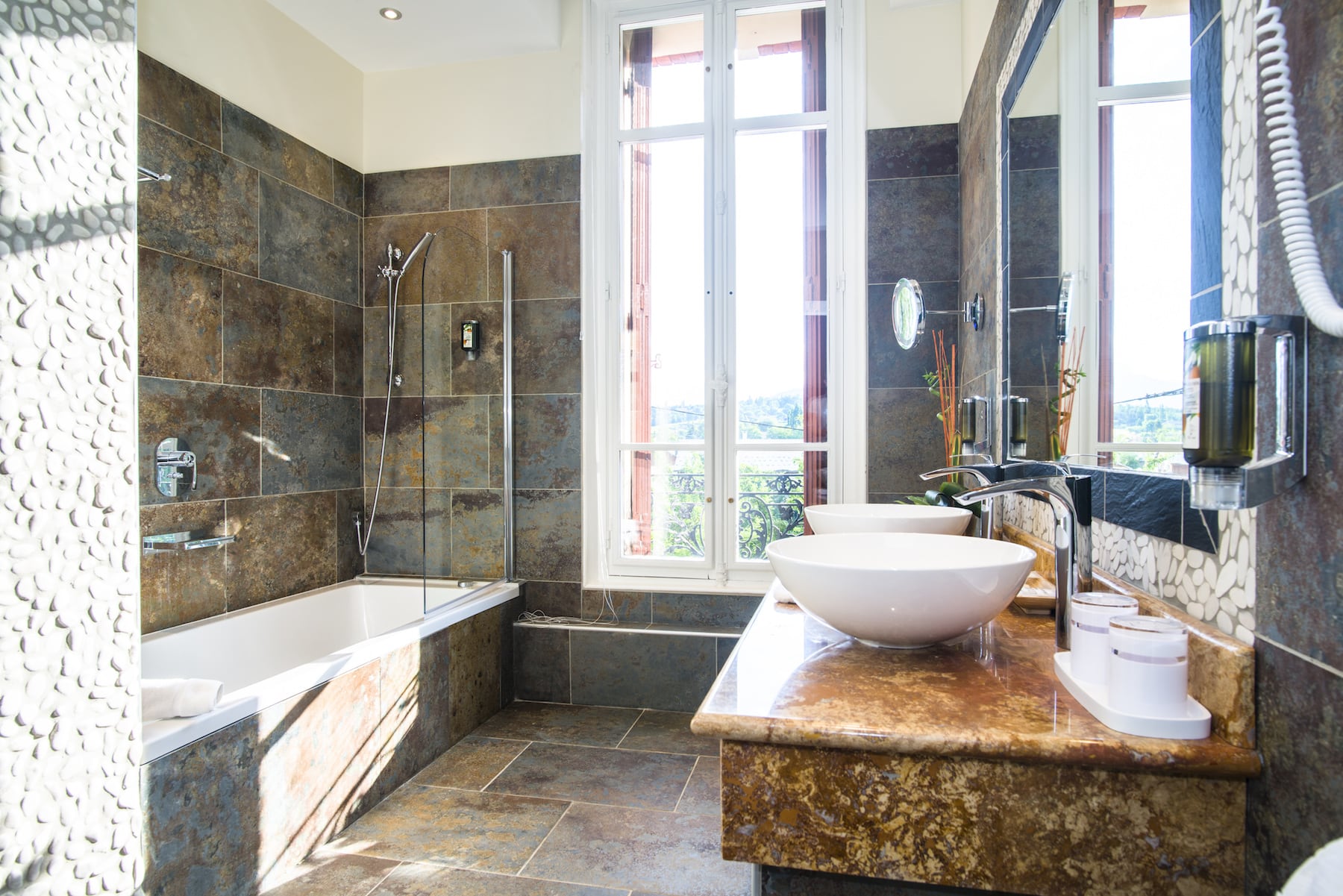
The most beautiful panoramas are even more enjoyable when you know you’ll return to a calm, comfortable, and inspiring place. If you like the idea of a refined base from which to explore the Alps, you can discover a charming hotel to explore the mountains differently. The advantage of accommodation designed for rest is being able to chain panoramic walks without feeling in transit: you settle, recover, and set off again.
Ideas for 2- or 3-day combinations: vary the panoramas without repetition
Day 1 : a gentle walk leaving town to take in the valley, then a loop through a larch forest with regular openings onto the peaks. Goal: train the eye, spot the ridgelines, identify the slopes that attract you.
Day 2 : a more aerial route, like a balcony or lookout, starting early to enjoy the morning light. Take a long break at the viewpoint, descend by a different path if possible to vary the perspectives.
Day 3 : a waterside stroll, more restorative, ideal for a final peaceful panorama and an unhurried return. If you still have energy, add a short climb late afternoon to a nearby promontory: the valley at sunset is often a grand finale.
Go further in discovering the landscapes of the Ubaye
La Villa Morelia - Best Price Official Site
If your goal is to collect iconic views, alternating lookouts, balconies and more secret perspectives, you will find additional ideas via an itinerary dedicated to the valley's panoramas. This can help you build a coherent stay, with a progression: first the easy viewpoints, then the ridgelines, and finally more confidential spots.
Book a comfortable starting point for your walks
To calmly plan your days and head out early when the light is most beautiful, you can book directly via La Villa Morelia - Best Price Official Site. A good base camp is often what makes the difference between going on a hike and truly enjoying the scenery without racing against time.


Villa Morelia Hotel**** 9 avenue des Mexicains 04500 Jausiers France tel +33 (0)492846778 inforesa@villa-morelia.com