

Explore the iconic panoramas of the Ubaye Valley
Ubaye viewpoints
Explore the valley by its ridgelines: an invitation to look up
Ubaye viewpoints — The Ubaye Valley is often revealed better from above than from the road. Here, the terrain is not mere scenery: it organizes the villages, guides the streams, outlines passages and imposes natural viewpoints. From one promontory to another, the eye glides over larch-covered slopes, catches rocky ledges, follows the Ubaye as it winds, then loses itself toward the Alpine borders. Exploring the emblematic panoramas means understanding the valley through its perspectives: what you see, but also how history, architecture and mountain uses have shaped the horizons.
For a more cultural approach, between heritage, local curiosities and visit ideas, you can also draw inspiration from dedicated resources such as tours, history and discoveries, which provide leads to link landscapes and territorial narratives.
The signature viewpoints around Barcelonnette: a panoramic reading of an inhabited valley
Barcelonnette, often the starting point, lends itself to a tiered exploration: the town, then its heights, then the ridges that open up the view. From the first slopes above the neighborhoods, one can already observe the organization of the valley floor: the wider areas, the agricultural terraces, lines of trees, roofs and bell towers, and that particular light that changes quickly with the hour.
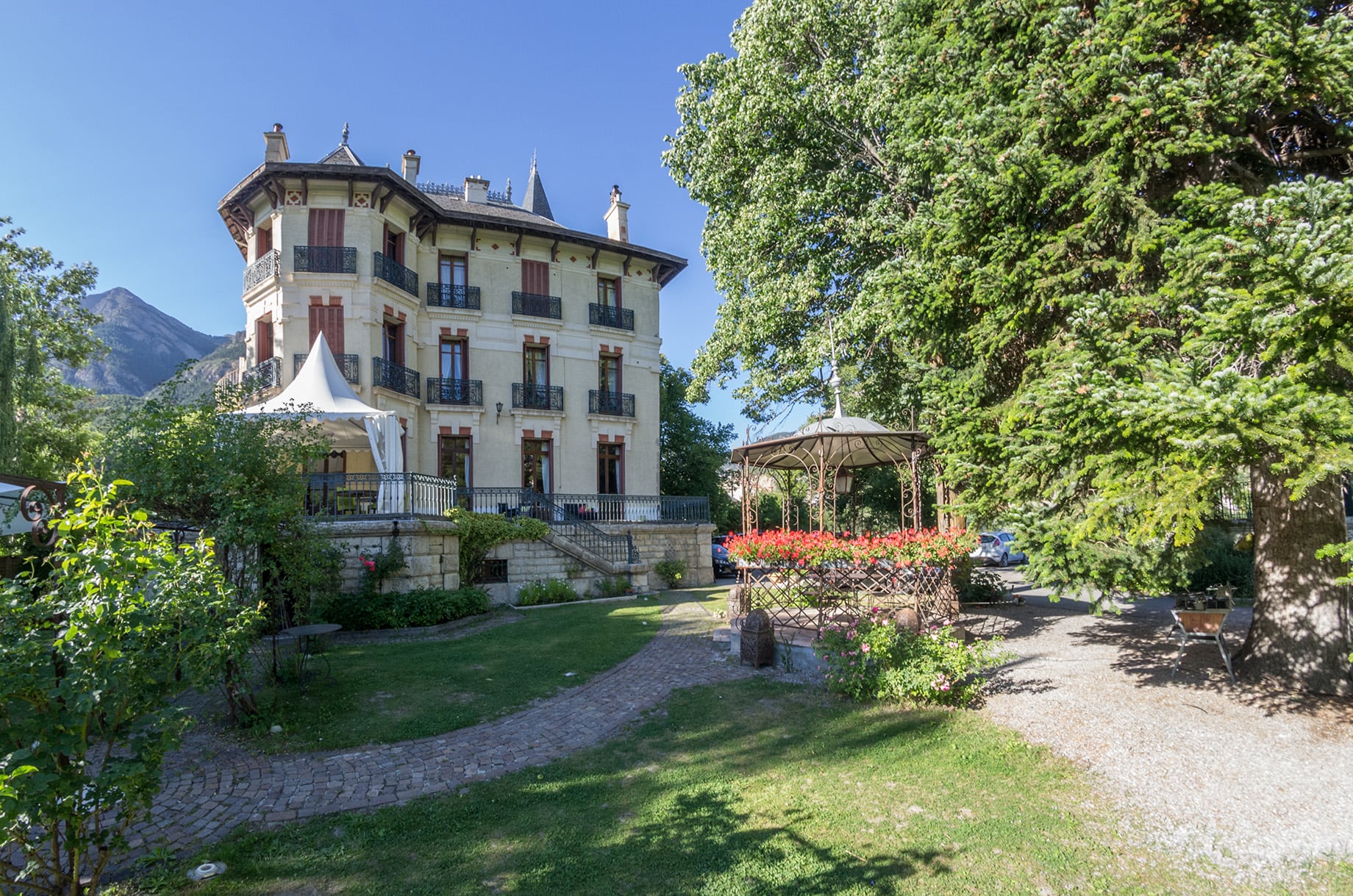
The most interesting aspect in this area is the variety of framings: some high points frame the valley like a corridor running upstream; others offer a steep balcony view over the town and its surroundings. One can also read the imprint of the villas and buildings that tell of a time of prosperity, and understand why Barcelonnette was long a crossroads rather than just a simple mountain village.
If you want an urban and panoramic walk at the same time, with routes easy to incorporate into a stay, this page can serve as a guiding thread: a walk on foot through the town and its surroundings. The idea is to connect points of interest to openings onto the landscape, without turning the outing into a sporting performance.
Panoramas of the Ubaye: changing altitude to change the story
In the Ubaye, altitude is not just a number: it changes the texture of the slopes, the presence of forests, the strength of the winds and the way silence settles. A viewpoint at mid-height (above the valley floor, but still close to the hamlets) tells the story of a living valley: fields, barns, roads, pastoral activity, traces of cultivation and transhumance. A higher viewpoint, however, tells the story of a mineral valley: scree, ridges, late snow patches, and sensations of vastness.
To fully enjoy the panoramas, it is useful to vary the times: early in the morning for soft contrasts and often clearer air; late afternoon for reliefs shaped by low light; after a summer shower when the atmosphere clears and the peaks stand out with striking precision.
La Villa Morelia - Best Price Official Site
Ridges and forest balconies: the art of framing the valley
Some of the most beautiful panoramas are not taken from the summit, but from natural balconies: those areas where the slope hangs, often at the forest edge. The Ubaye valley has many larch and pine sectors, where clearings reveal windows onto the landscape. The experience is more intimate there: you alternate shade and light, walk on a soft ground, and suddenly the valley opens like a curtain being drawn.
This type of outing is also ideal if you are looking to combine panorama and rejuvenation, away from the most frequented routes. For ideas for walks that favor nature, stopping points and a leisurely pace, you can consult Nature walks to recharge around Barcelonnette. The key is to aim for regular viewpoints rather than a single distant objective.
Water panoramas: when the valley is reflected
The Ubaye is not only a valley of rock and forests: it is also a valley of water, torrents and reservoirs where the landscape is doubled. Water-associated panoramas have a particular grammar. They add a horizontal line in a world of slopes: a surface that captures the sky, repeats the mountains, and accentuates the contrasts between apparent stability and real energy (for water here is rarely still for long).
In summer, these places become perfect observatories: in the morning reflections are often sharp; in the afternoon, the breeze can texture the surface and make the colors more changeable. In autumn, the golden larches and russet tones amplify the pictorial effect. And in spring, when the torrents swell, the soundscape complements the visual grandeur.
Fortifications, roads and viewpoints: the mountain as a watchpost
In the Ubaye, some panoramas strike because they seem built for surveillance. This is no coincidence: mountain pass roads, military works, and strategic passages long dictated dominant positions. Even without going into the technical details of fortifications, one senses this logic: a high point that sees far, that controls a side valley, that anticipates an arrival by a pass.
This historical dimension adds depth to the landscape: you do not just look at summits, you imagine movements, exchanges, and tensions as well. To enrich the approach, it can be useful to go through selections of places and must-sees that blend nature and culture, such as the best sites to discover in the valley. This helps link a panorama to a context, to a village, to an itinerary.
Reading the relief: simple markers to see better from a viewpoint
Facing an alpine panorama, one can sometimes feel overwhelmed. Yet a few markers are enough to structure the gaze. Start by identifying the valley floor: this is your baseline. Then spot the axes: the upstream and downstream directions, the side valleys, the breaks in slope. Next, look for the strong lines: a main ridge, an arête, a rocky barrier. Finally, observe the vegetation transitions: the forest level, the alpine pastures, then the bare rock.
This reading turns a beautiful view into understanding. You begin to see how villages shelter, why a road takes a certain curve, where the snow lingers longer, and how an exposure to the sun changes the mood of a slope. The panorama then becomes a living map, more memorable than a simple photo.
Sport panoramas: when effort opens up horizons
Some of the most striking panoramas are earned with a bit of effort: steady climb, switchbacks through the woods, then emerging above the trees. The body thus takes part in the discovery. Arriving at an open vantage point is not just a spot: it’s a sensory shift, a broader breath, a feeling of space. In the Ubaye, these sporty panoramas can be experienced on foot, by bike, or through more committed activities depending on the season.
If you’re looking for an overview of must-sees and activities that grant access to spectacular views, this selection can complement your inspiration: Ubaye Valley and Barcelonnette. The point here is to intersect practices (hiking, whitewater, mountain roads) to multiply viewpoints and angles.
Seasons as landscape filters: four ways to rediscover the same horizons
A panorama is never fixed. In the Ubaye, the season changes the palette and the readability of the relief. In spring, contrasts are strong: snow at altitude, meadows greening, swollen torrents. Summer often offers stable visibility in the morning, then cumulus that add depth to the sky. Autumn may be the most photogenic season: the air cools, distant views sharpen, and larches bring golden hues. Winter, finally, simplifies the landscape: snow erases some details, highlights ridgelines and makes forms more graphic.
La Villa Morelia - Best Price Official Site
To take advantage of the seasons, adapt your timing: in summer aim early; in autumn enjoy late afternoons; in winter seek oblique light and clear days after a snowfall. And keep in mind that alpine weather can transform an outing: sometimes a sea of clouds seen from a mountain shoulder is worth as much as a perfectly clear horizon.
Panorama + villages routes: pairing viewpoints and the art of living
A major appeal of the Ubaye Valley is the ability to switch quickly between immersion in nature and a break in a village. After a viewpoint, descending to a square, a market, a terrace, a built heritage site, allows anchoring the landscape in everyday life. The panoramas then take on a more human dimension: they are no longer just images, but the setting of a mountain life, made of seasons, hospitality and traditions.
To prepare a complete stay, with a balance between hikes, emblematic sites and practical advice, you can browse a comprehensive guide on the valley. This helps compose coherent days: a viewpoint in the morning, a visit in the afternoon, a culinary discovery in the evening.
Panoramas and great moments: when the scenery becomes a shared experience
Some panoramas leave a mark because they are experienced together: a birthday, a family gathering, an event, or simply a weekend when you want to fill up on beauty. In the Ubaye, the power of the setting naturally adds a ceremonial dimension to important moments. An aperitif facing the mountains, a walk at sunset, or a photo session in high-altitude light can transform a simple moment into a formative memory.
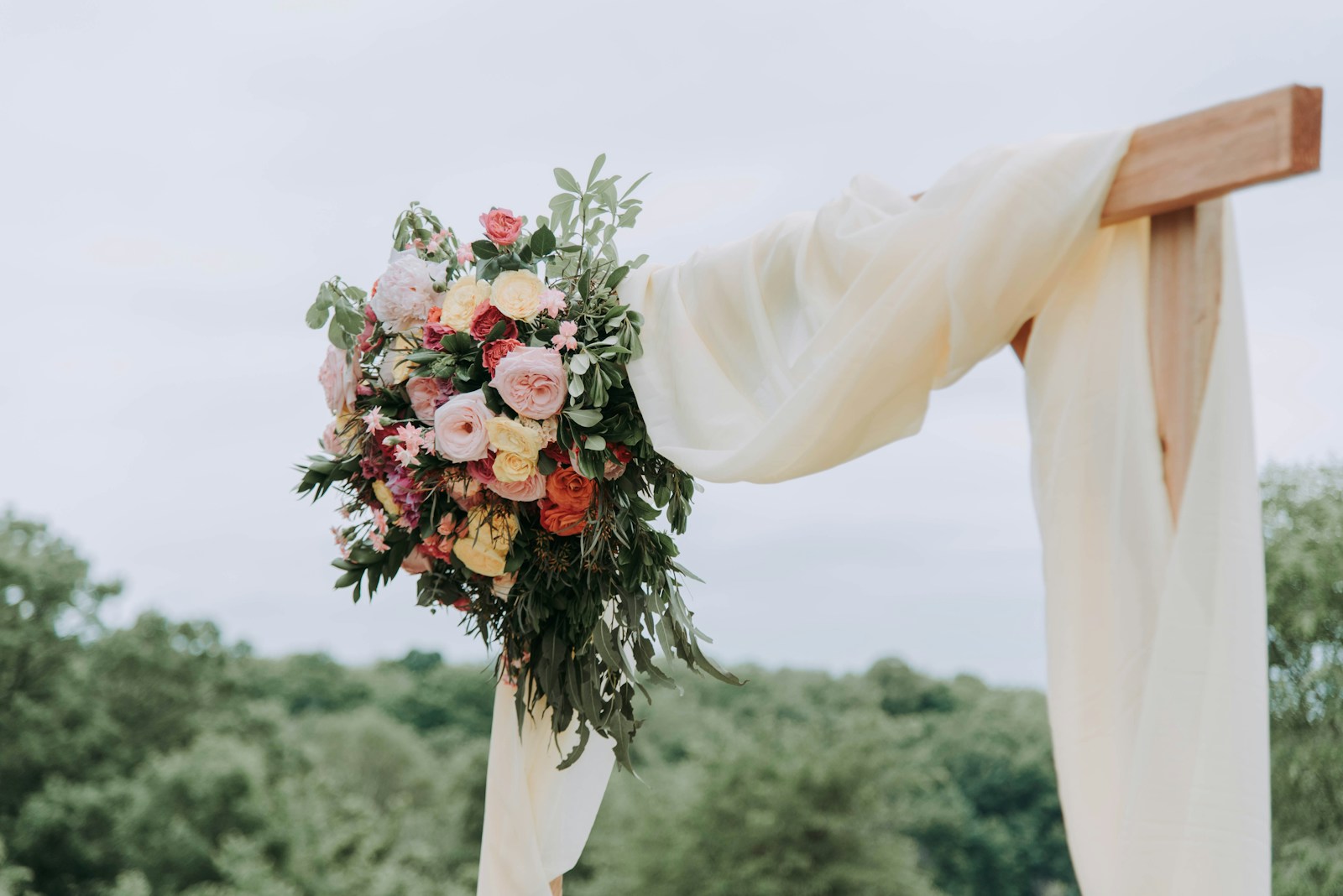
For those considering organizing a key event in an alpine setting, a Event stay in a prestigious alpine hotel can help structure the experience: accommodation, logistics, and above all easy access to walks and viewpoints without multiplying constraints.
And if the idea of a more intimate event, inspired by nature and the elegance of the mountain setting, appeals to you, this reading can provide benchmarks: organize a chic, nature-inspired celebration. In this kind of project, the landscape is not a backdrop: it becomes a component of the scenario, the movements, the photos, and the atmosphere.
Practical tips: enjoy viewpoints without damaging what makes them unique
Viewpoints are sometimes located in fragile areas: alpine pastures, forest edges, unstable scree, zones prone to erosion. Staying on the trails, closing gates, avoiding shortcuts on steep slopes, and respecting the peace of grazing animals are simple actions that protect these places. Also think about safety: changing weather, summer storms, ridge winds, and rapid temperature drops. An extra layer and some water are often enough to turn an uncertain outing into a calm moment.
Finally, to really take a panorama with you, don’t limit yourself to the photo. Take a minute of stillness: spot three elements (a ridge, a village, a river), listen for a sound (the wind, a torrent, a bird), and note a dominant color. This small ritual anchors the memory far more durably than an image stored in a phone.
Where to unpack to radiate toward the most beautiful viewpoints
Exploring iconic panoramas sometimes requires flexibility: leaving early, returning to rest, changing areas depending on the weather, improvising a sunset if the sky clears. Having a comfortable, well-located base simplifies everything. To organize your base and book at the best rate, you can go through booking on the official site.
And because some places lend themselves particularly well, it is worth noting that character properties (manors, castles, heritage houses) are often appealing for their vistas, gardens, terraces, and the atmosphere they provide. If this topic resonates with you, this consideration can enlighten the choice of a location: what makes castles so sought-after.
Conclusion: a valley told from its heights
La Villa Morelia - Best Price Official Site
Exploring the panoramas of the Ubaye valley means accepting a change of scale: moving from the detail of a trail to the vastness of an amphitheater, from the comfort of a village to the harshness of a ridge, from calm contemplation to horizons won through effort. Each viewpoint becomes a chapter: water, forest, stone, human traces, roads, passages. And above all, each outing can be different, because light, season and weather constantly recompose the same scenery.
By alternating forest balconies, accessible heights, bodies of water, heritage sites and shared moments, you compose your own collection of images — a living collection that owes as much to emotion as to geography.


Villa Morelia Hotel**** 9 avenue des Mexicains 04500 Jausiers France tel +33 (0)492846778 inforesa@villa-morelia.com