

Why castles are popular venues for weddings
A wedding at a château: just saying those words is enough to conjure images of golden stone, majestic staircases, formal French gardens, and large candlelit halls. If châteaux appeal so much to couples (and their guests), it’s not only for the postcard-perfect setting. It’s also because they bring together in one place what you’re looking for for a once-in-a-lifetime day: an atmosphere, logistics that are simpler than they seem, flexible spaces, and a memorable experience. Here’s why these estates remain, year after year, among the most sought-after venues to celebrate a union.
A naturally spectacular setting, without artifice
In a château, the setting isn’t an add-on: it’s part of the place’s DNA. The facades, courtyards, avenues of centuries-old trees, ornate salons, and outbuildings immediately add depth to the ceremony. The result: even minimalist styling looks sophisticated, because it’s built on an already strong aesthetic.
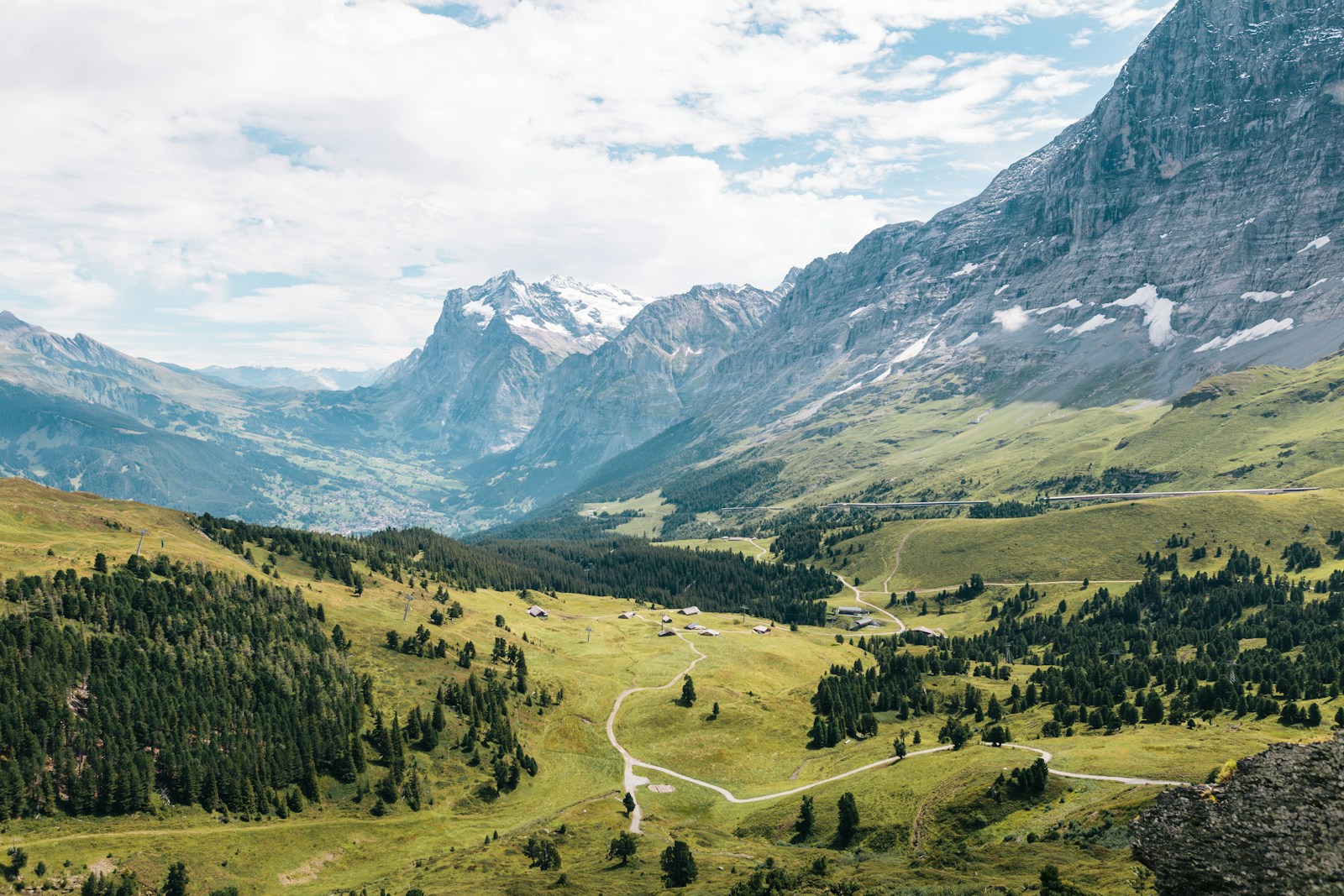
This visual power changes everything, especially for photos and videos. Where other venues require significant installations (draping, lighting, sets), the château offers varied perspectives and backdrops: ancient stone, large windows, parks, terraces, staircases, salons, orangeries. Each moment of the day can have its own “tableau”: getting ready in a suite, exchanging vows in a garden, cocktails on a lawn, dinner in a state room.
This charm works on guests as well. They feel they’ve been invited to an exceptional event, in a setting that leaves a lasting impression. To explore the arguments often cited by estates, you can consult 6 good reasons to rent a château for your wedding.
An immersive experience that gives meaning to the celebration
What sets a château apart is its ability to create a “bubble.” From the moment you arrive, you leave everyday life behind: the gate, the drive, the courtyard, then the discovery of the interior spaces. Everything is designed to slow down, marvel, and reconnect. This immersion heightens the feeling of living a rare moment.
Many couples today are looking for a celebration that feels less like a string of vendors and more like a true shared interlude. A château lends itself particularly well to this: you move from one space to another as if through a story (welcome, ceremony, cocktail hour, dinner, evening), with a natural continuity. Guests don’t scatter, and the atmosphere builds in intensity as the hours go by.
Multiple spaces to set the pace for the day (and handle the unexpected)
One of the great strengths of châteaux is the variety of spaces. You can often organize several sequences without having to transform the same room every two hours. This makes the event smoother and more comfortable for everyone.
Secular ceremony, cocktail hour, dinner, evening: each has its place
Depending on the property, you’ll have a garden for the ceremony, a courtyard or terrace for cocktails, a reception hall for dinner, and sometimes an adjoining room or an outbuilding for the dance party. This separation avoids downtime and simplifies coordination (caterer, DJ, photographer, decor).
La Villa Morelia - Best Price Official Site
The weather backup plan is often more robust
A wedding can be sublime under blue skies… and become stressful if rain shows up. Châteaux generally offer elegant fallback options: salons, orangeries, renovated barns, galleries, glass-roofed spaces. Plan B isn’t a compromise; it can even become Plan A if the atmosphere there is warmer. This security has a direct effect on the couple’s peace of mind.
A “prestige” signature that elevates the reception
Choosing a château also means choosing a certain level of standing: remarkable architecture, generous volumes, fine finishes, a well-maintained park, a theatrical arrival. Even when the event remains simple in format, the venue gives it a more ceremonial dimension.
This impression of luxury isn’t just about ostentation. It comes down to the quality of the experience: feeling welcomed in an exceptional setting, enjoying comfortable spaces, living a moment “out of time.” Several analyses highlight this link between châteaux and high-end events, as explained in Why is a château perfect for a luxury event.
A venue that makes personalization easier, from classic to contemporary
Contrary to popular belief, a château doesn’t necessarily impose a royal or very traditional style. It serves more as a backdrop onto which you can project a modern, bohemian, minimalist, romantic, or even very design-focused aesthetic. The contrast between old stone and contemporary staging can be particularly successful.
Couples like being able to weave their story into the space: a musical journey through a courtyard, an intimate ceremony under a tree, a dinner at long tables in a gallery, a cocktail bar in an outbuilding. Personalization also comes through the rhythm: some prefer a late ceremony followed by a festive dinner, others organize a brunch the next day, a walk, or an activity. Châteaux, often available for private hire, make these formats more accessible.
Privatization: a major advantage, with a few points to watch
Many châteaux are rented out for private use, which appeals to couples who want to control the atmosphere and confidentiality. To privatize is to avoid sharing with other events, have spaces reserved for loved ones, and create a feeling of a “family home” for a weekend.
But this freedom sometimes comes with constraints: schedules, neighbors, mandatory vendors, acoustics, accommodation capacity, insurance, cleaning logistics, or additional costs (security, furniture, heating depending on the season). For a balanced overview, the article Advantages and disadvantages of privatizing a château helps you ask the right questions before signing.
Organizational comfort when the venue is designed for events
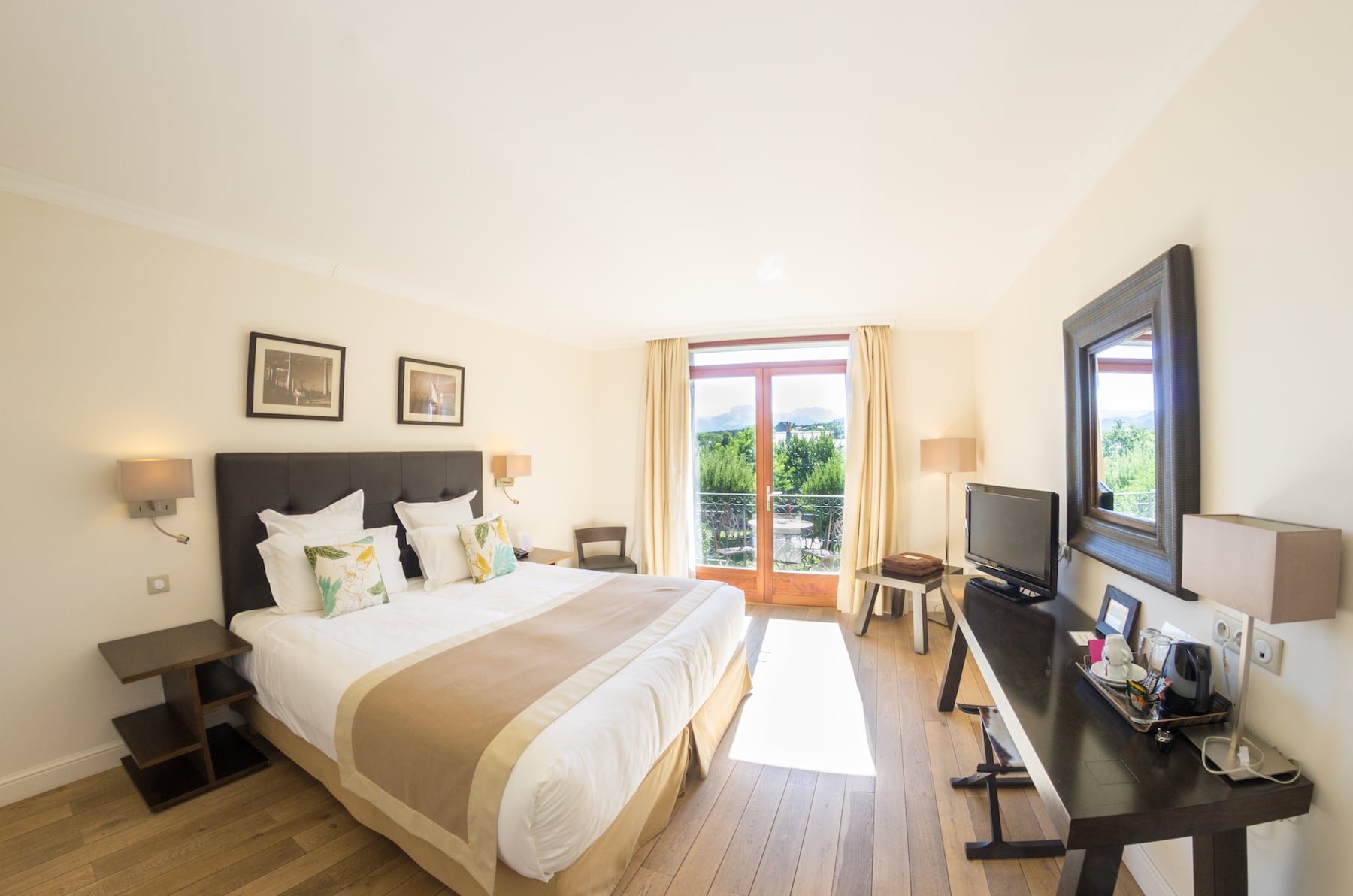
The most in-demand châteaux are often those that have been adapted for receptions: a functional caterer’s kitchen, service routes, technical areas, access for vendors, ample restrooms, parking, outdoor lighting, storage zones. This “hidden side” matters enormously on the big day.
From the guests’ side, comfort translates into easy flow, spaces to take a breather (lounges, terraces), and smoother management of key moments. For the couple, it’s the assurance that the venue supports the event instead of complicating it. This idea comes up frequently in feedback, as mentioned in 4 Reasons to Get Married in a Château.
Emotional value: celebrating in a place steeped in history
A château tells a story even before the celebration begins. You often feel a kind of gentle solemnity: the walls have seen generations, seasons, meetings, celebrations. Without slipping into folklore, this historical dimension adds depth to the moment. It gives the feeling of being part of a continuity, of opening a new chapter in a setting that has already lived.
This “density” is felt especially during the ceremony: the silence of a courtyard, the resonance of a staircase, the light in an old room. All elements that transform an intimate moment into a striking shared memory.
Weddings over several days: the format that’s winning over more and more people
The château is one of the few venues that lends itself just as well to a “weekend” format. Rather than concentrating everything into a few hours, you spread out the experience: arrival the day before, a simpler dinner, the wedding day, brunch the next day, then staggered departures. This reduces the frustration of “not having time” to see everyone, and allows guests to truly get to know one another.
This format is also practical for dispersed families or groups of friends coming from far away. Instead of multiplying travel, you centralize the highlights on one estate, which makes organization easier and strengthens conviviality.
The distinctive charm of Alpine châteaux: nature, intimacy, and panorama
If country châteaux and wine estates long dominated the imagination, Alpine châteaux are now attracting couples in search of a more vertical, wilder, often more intimate setting. The mountains bring a different energy: fresher air, panoramas, changing light, and that feeling of being “at the end of the world” while still remaining accessible.
La Villa Morelia - Best Price Official Site
In an Alpine setting, the stay can become a true destination, especially if you plan activities around it: hikes, walks, lakes, viewpoints, wellness moments. For those considering this kind of experience, the page discover a celebration designed like a journey offers an approach centered on the experience and welcoming loved ones.
Giving guests keepsakes: beyond the reception
A castle already leaves a lasting impression. But what makes a wedding truly unforgettable is often what guests experience between the official moments: a walk in the park, a conversation in a lounge corner, a sunrise on a terrace, a relaxed brunch the next day. The venue then becomes a catalyst for memories.
In certain regions, you can enhance the stay with nature experiences accessible to everyone. If you’re organizing an event near Barcelonnette, it’s possible to imagine quiet moments to recharge, as suggested by ideas for gentle walks to catch your breath between two highlights.
And for more athletic groups, planning an activity before or after the wedding can create a very unifying weekend dynamic. In this respect, a selection of routes to do in a small group can help you imagine a nature break around the event.
An ideal setting for telling a story in images
The castle is a powerful ally for photo and video storytelling. The variety of settings makes it possible to achieve a rich result without multiplying travel. The photographer can alternate wide shots (facade, park, panorama) and intimate shots (hallways, lounges, staircases), all while staying within the same world.
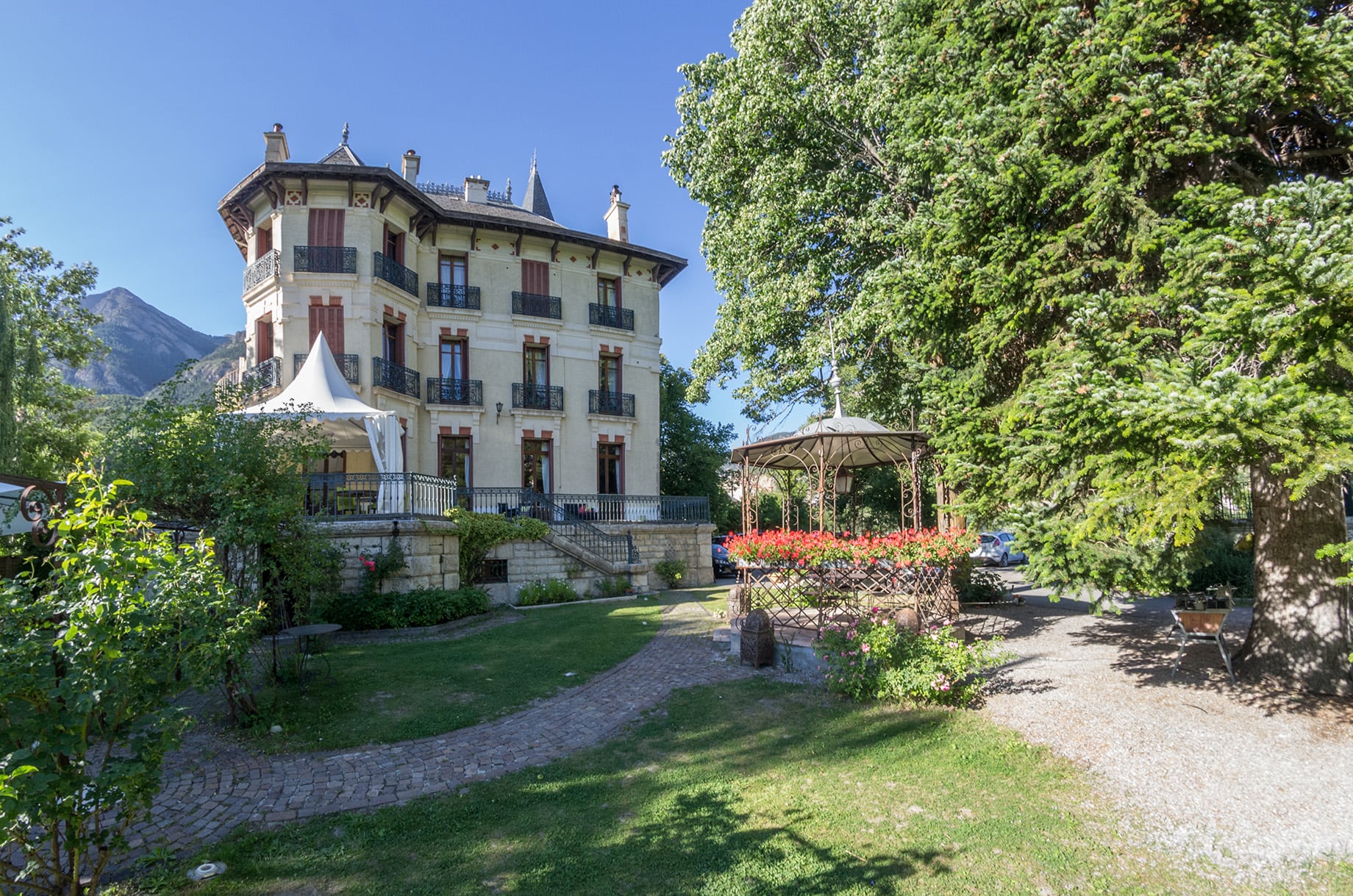
Couples also appreciate the aesthetic consistency: invitations, floral decor, table settings and outfits easily match the venue. Even a simple detail (a bouquet placed on an antique console, a veil on a staircase) takes on a cinematic dimension.
How to choose your castle: questions to ask before booking
The popularity of castles is understandable, but it also means you need to be methodical. To avoid unpleasant surprises, a few structuring questions make all the difference:
Actual capacity: how many people seated for dinner, and how many in cocktail setup? Can the outdoor areas be used in the evening?
Accommodation: how many beds on site, what breakdown (double rooms, dormitories, annexes), and what options nearby?
Restrictions: hours, noise level, fireworks, confetti, candles, drone access, etc.
Vendors: required caterer or recommended list, DJ, decor, security, cleaning, furniture rental.
Logistics: access for trucks, caterer kitchen, electrical capacity, restrooms, outdoor lighting, parking, traffic plan.
Plan B: an indoor solution for the ceremony and cocktail, without degrading the experience.
A refined alternative to the château spirit: the privatizable luxury hotel
Some couples love the aesthetics and exclusivity of an estate, while looking for a more pronounced hotel dimension (services, rooms, dining, concierge). In this case, a luxury property can offer a similar experience: overall welcome, quality accommodation, and simplified organization.
If you explore this option, an event stay in a prestigious Alpine hotel illustrates how to combine an exceptional setting, intimacy and comfort, while keeping the spirit of a destination celebration.
Extend the magic: discover a region while celebrating
The château becomes even more appealing when it is part of a region that’s worth the trip. Many guests appreciate having a good reason to extend their visit: sightseeing, hiking, swimming, tasting local products, discovering viewpoints. This turns the wedding into a travel memory, not just an evening memory.
In the Southern Alps, for example, you can easily build a program around water and summits. To imagine an inspiring itinerary, explore the Ubaye Valley between lakes and peaks offers ideas that speak as much to contemplatives as to adventure lovers.
Conclusion: a sought-after venue because it brings together beauty, meaning and practicality
If châteaux remain such in-demand venues, it’s not only to look pretty. They offer an immediately striking setting, emotional immersion, multiple spaces that streamline the day, and a rare ability to host multi-day formats. They also make it possible to create a coherent, intimate and memorable experience, while enhancing the photos, the party and conviviality.
La Villa Morelia - Best Price Official Site
The right château isn’t necessarily the biggest or the most famous: it’s the one that fits your way of celebrating, your number of guests, your real budget and your desire to experience (or not) a full weekend. For those who want to move from idea to project, book your stay directly can be a first concrete step toward an exceptional celebration.


Villa Morelia Hotel**** 9 avenue des Mexicains 04850 Jausiers France tel +33 (0)492846778 inforesa@villa-morelia.com